
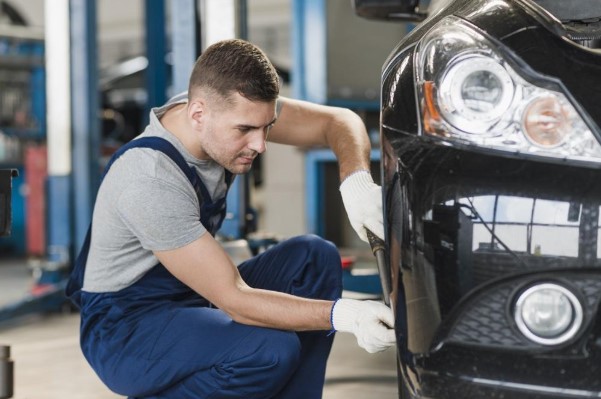
Earlier, it was a very easy and smooth process to fix any car after a collision. A dented panel would be reshaped, a coat of paint applied and the vehicle would be back on the road. But modern cars are totally different. Sensors, cameras, electronic systems and safety features are now part of everyday vehicles. This means that after a collision, repairs go far beyond what you can see on the surface.
For drivers looking into smash repairs Hoppers Crossing or trying to understand their options after a car accident claim, it helps to know what really happens behind the workshop doors today.
The visible damage is only part of the story
Mostly, car drivers focus on what they can see after an accident. A dented door, a scratched bumper or a cracked headlight. These issues matter, but they are often only a small part of the overall damage. There can be structural changes or hidden faults that are not immediately obvious.
Modern cars are designed with crumple zones and reinforced areas that absorb impact. These features protect passengers, but they also mean that force is distributed across different parts of the vehicle.
A professional smash repairs workshop understands that a proper repair starts with a full assessment, not just a visual inspection.
Sensors and safety systems need attention too
Many modern cars are equipped with advanced safety features, including parking sensors, reversing cameras and systems that assist with braking or lane positioning.
Even a minor collision can affect how these systems function. A slightly misaligned sensor or a damaged wiring connection can change how the vehicle responds.
After repairs, recalibration is often required to ensure everything works as intended. This is a detailed process that requires the right tools and experience.This step plays a vital role in safety for car drivers.
Structural alignment matters more than appearance
The structure of the vehicle needs to be measured and corrected if it has shifted during a collision. This ensures that the car drives straight, handles properly and maintains its safety features.
Modern repair workshops use specialised equipment to check alignment down to precise measurements.Without this step, the vehicle may not perform as it should, even if it appears repaired.
This is one of the reasons why a proper repair is about more than restoring how the car looks.
Paint is no longer just paint
Paintwork has also evolved. Modern finishes are designed to protect the surface and maintain colour consistency across the vehicle.
Matching paint today involves more than selecting a colour code. It requires blending techniques and careful application to ensure the repaired area matches the rest of the car..
A well executed repair ensures that the finish looks natural and consistent, not patched or uneven.
The role of diagnostics in modern repairs
Modern cars rely heavily on electronic systems. After a collision, these systems need to be checked to confirm they are functioning correctly.
Diagnostic tools are used to scan the vehicle for faults. These tools provide information about sensors, control units and other components that may have been affected.
This step is crucial, especially for those going through a car accident claim, as it ensures that all issues are identified and addressed. It also provides reassurance that the vehicle is safe to drive again.
Why experience makes a difference
Repairing modern vehicles requires a combination of skills. It is not just about shaping metal or applying paint.
Technicians need to understand how different systems interact and how to restore them correctly.
For drivers searching for smash repairs, choosing a workshop with experience in modern vehicles can make a significant difference.
It ensures that the repair process covers all aspects, not just the visible damage.
The connection with insurance claims
After an accident, many drivers rely on a car accident claim to manage repair costs. While the claim process can feel complicated, it is designed to support proper repairs.
Working with a professional repair centre helps ensure that all necessary work is included in the claim. This includes structural repairs, system checks and any required recalibration.
Clear communication between the repairer and the insurer helps avoid delays and ensures that nothing is overlooked.
Why cutting corners can create problems later
It can be tempting to focus only on visible repairs, especially if the damage appears minor.
However, skipping steps such as alignment checks or system calibration can lead to issues in futire.
The car may not handle properly, safety features may not function as expected or hidden damage may worsen over time.
A thorough repair process may take longer, but it provides confidence that the vehicle has been restored properly.
What drivers can expect from a proper repair process
For many people, the repair journey feels unfamiliar. Understanding what happens can make it less stressful.
The process usually begins with a detailed assessment. This includes both visible and hidden damage.
Once the scope of work is clear, repairs are carried out in stages. Structural adjustments, panel work and system checks are all part of the process.
Paintwork follows, along with final inspections to ensure everything meets the required standard.
For those going through a car accident claim, this process is often supported by communication with the insurer to keep everything on track.
The emotional side of repairs
A car is part of daily life. It provides independence, convenience and comfort. After an accident, there can be uncertainty about whether it will feel the same again.
A well-completed repair helps restore that confidence. It is not just about fixing the car, but about helping drivers feel comfortable getting back on the road.
Final thoughts
Modern cars are more advanced than ever and that has changed what it means to repair them after a collision.
Panel beating is still part of the process, but it is no longer the whole story. Structural alignment, system calibration and detailed diagnostics all play a role in restoring the vehicle properly.
For drivers considering smash repairs or managing a car accident claim, understanding this shift helps set the right expectations.
A proper repair is not just about appearance. It is about safety, performance and long-term reliability.
In the end, the goal is simple. To return your car to a condition where it not only looks right, but also drives and protects you the way it was designed to.
